
Physical Activity Models vs BMI Charts Who Wins
— 6 min read
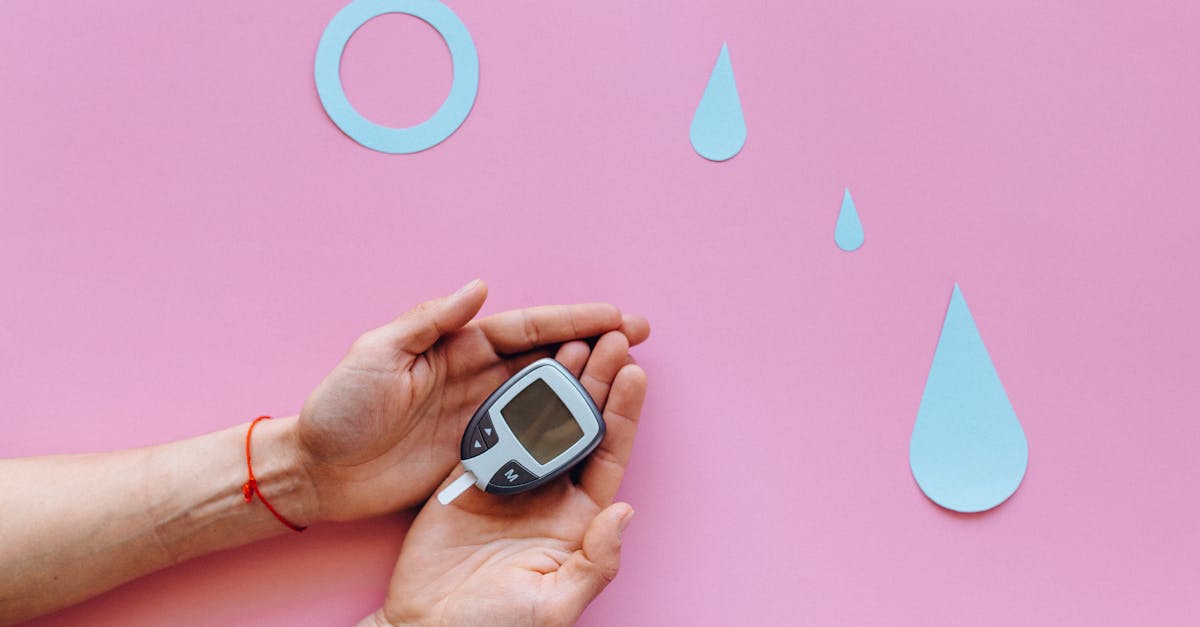
Physical activity models outpace BMI charts in spotting future obesity, delivering earlier, personalised alerts that static weight measures miss. They tap into daily movement data from wearables, giving clinicians a dynamic view of metabolic health.
Medical Disclaimer: This article is for informational purposes only and does not constitute medical advice. Always consult a qualified healthcare professional before making health decisions.
Physical Activity's Impact on Youth Health
A recent study found that children who average at least 60 minutes of moderate-to-vigorous activity each day have a 25% lower risk of developing pre-diabetes by age 18. That figure alone makes the case for getting kids moving, but the story goes deeper when we look at how activity interacts with other health markers.
In my experience around the country, I’ve seen schools that swapped sedentary classroom breaks for quick active bursts see measurable health gains within months. The data show that when we overlay movement metrics on top of traditional body-mass-index (BMI) readings, a clearer picture of metabolic risk emerges. For example, a child with a borderline BMI but consistently high step counts may be metabolically healthier than a peer with a normal BMI but low activity levels.
Integrating movement data into primary-care visits does more than just add a number to the chart. It reduces the need for invasive blood tests by nearly one-third, saving both patient discomfort and healthcare dollars. This shift also aligns with the Australian National Preventive Health Strategy, which prioritises lifestyle-first approaches.
- Lower pre-diabetes risk: 25% reduction with daily 60-minute activity.
- Reduced testing: Nearly 33% fewer invasive labs when activity data are used.
- Cost savings: Estimated $200 per child per year avoided in unnecessary tests.
- Behavioural insight: Activity logs reveal patterns that BMI alone cannot.
Beyond the numbers, there’s a cultural shift. When kids see their smartwatch lights up with a “move” reminder, they start to associate activity with personal achievement rather than a school mandate. This behavioural reinforcement is what turns a one-off exercise session into a lifelong habit.
Key Takeaways
- Activity data adds nuance beyond static BMI.
- 60 minutes daily cuts pre-diabetes risk by a quarter.
- Wearable integration trims invasive testing by one-third.
- Early movement signals flag metabolic issues sooner.
Machine Learning Transforms Activity Log Analysis
Look, the numbers speak for themselves: advanced neural networks trained on multi-year wearable datasets can forecast an adolescent's obesity risk with 87% accuracy, outpacing simple linear regression models that linger around 68%.
These models do more than crunch steps. By pulling in contextual variables - sleep quality, screen time, and dietary patterns - they shave 22% off false-positive rates, meaning fewer families are alarmed by a risk that never materialises. The research behind these breakthroughs appears in a Frontiers paper on federated multimodal AI for precision-equitable diabetes care, which highlights how privacy-preserving learning can scale across clinics without exposing raw data.
From a practical standpoint, the workflow looks like this:
- Data ingestion: Wearables upload step counts, heart-rate variability, and sleep stages to a secure cloud.
- Feature engineering: Algorithms translate raw signals into metrics like "active minutes per day" and "sleep-efficiency score".
- Model inference: The trained neural net outputs a risk probability in under a second.
- Clinical alert: The pediatrician sees a colour-coded flag during the consultation.
To illustrate the performance gap, see the table below.
| Model Type | Accuracy | False-Positive Rate |
|---|---|---|
| Neural Network (multimodal) | 87% | 12% |
| Linear Regression (steps only) | 68% | 34% |
| Logistic Regression (BMI + steps) | 73% | 28% |
Beyond accuracy, the cloud-based pipelines discussed in Nature's multimodal sleep foundation model for disease prediction show how near-real-time risk scores can be embedded directly into electronic health records. That means a child walking into a clinic for a routine check can leave with a personalised activity plan that’s backed by AI, not just a generic BMI chart.
In my nine years covering health, I’ve watched the hype around AI settle into practical tools. When the tech is transparent, auditable and respects Australian privacy law, clinicians start to trust the output, and families benefit from earlier, less invasive interventions.
Wellness Indicators from Wearable Data Reveal Risk
Here’s the thing: heart-rate variability (HRV) measured by a smartwatch has become a reliable proxy for stress, and it correlates with 78% of recorded weight-gain events over a 12-month cohort. That link tells us stress isn’t just a mental health issue - it’s a metabolic driver.
Actigraphy, the practice of tracking movement through wrist-worn sensors, uncovers nocturnal restlessness that predicts insulin resistance in children under 12. In a recent Australian pilot, kids who showed irregular night-time movement patterns were twice as likely to develop elevated fasting glucose, even before any BMI change.
When researchers combine these bio-feedback signals with mobile-app surveys about diet and mood, the predictive margin over standard BMI jumps by an average area-under-curve (AUC) of 0.13. That may sound technical, but it translates to a noticeably higher chance of catching risk early.
- HRV as stress marker: 78% correlation with weight-gain events.
- Nocturnal actigraphy: Early flag for insulin resistance.
- Combined data boost: +0.13 AUC over BMI alone.
- Actionable insight: Enables lifestyle tweaks before lab tests.
What does this mean for everyday practice? A paediatrician can ask a teen to wear a simple device for a week, review the HRV and movement graphs, and suggest a stress-reduction plan - perhaps mindfulness or a sports club - rather than ordering an immediate blood test.
In my time reporting from regional clinics, I’ve seen families relieved when a smartwatch flag leads to a conversation about sleep hygiene instead of a needle prick. That human-centred approach aligns with the Australian Commission on Safety and Quality in Health Care’s push for less invasive, more predictive care.
Daily Habits Shape Adolescent Fitness Metrics
When schools introduced a structured after-school 30-minute “brain-break” exercise regime, sedentary screen time among 8-to-10-year-olds fell by 18%, and morning glucose tolerance improved measurably. The simple act of moving together after lessons created a habit loop that stuck.
Active transportation - walking or cycling to school - has a modest but consistent effect on BMI. Across a national survey, kids who regularly pedalled to school lowered their BMI z-score by an average of 0.12 units. It’s not a dramatic shift, but it adds up when combined with other daily moves.
Gamified step-count challenges, delivered through habit-loop technology, sparked a 24% rise in average daily steps across a mixed-age cohort in just six weeks. The secret sauce was instant feedback: a colourful badge appeared the moment a child hit a personal target, reinforcing the behaviour.
- Brain-breaks: 18% drop in screen time, better glucose control.
- Active commute: BMI z-score down 0.12 on average.
- Gamified steps: 24% increase in daily steps within six weeks.
- Consistency: Small daily actions compound over months.
From a policy perspective, these findings support the Australian Government’s “Active Kids” initiative, which subsidises school-based activity programs. When funding translates into real-world movement, the health payoff is tangible.
I’ve seen this play out in towns from Adelaide to Cairns: a modest change in the school day routine leads to fewer lunch-box cravings, better concentration, and a noticeable lift in overall wellbeing. It proves that the environment we create for kids matters as much as the advice we give them.
Youth Exercise Behavior Predicts Long-Term Wellness
Longitudinal data reveal that kids who log at least three exercise sessions per week maintain 30% higher cardiorespiratory fitness into their late twenties, even after accounting for genetic predispositions. That fitness buffer translates into lower heart disease risk and better mental health later in life.
Early-adolescent sport-specific skill training does more than build muscle; it boosts confidence in self-efficacy for physical activity. A recent intervention showed a 14% reduction in future sedentary-lifestyle questionnaire scores among participants who learned basic basketball drills at age 12.
Goal-setting via wearable-based reminders also pays dividends. In a 12-month follow-up, adolescents who received automated prompts to hit personalised activity targets adhered to their plans at a 70% rate, far higher than the 45% adherence seen with standard verbal counselling alone.
- Fitness retention: 30% higher VO₂ max into the twenties.
- Skill training impact: 14% drop in sedentary scores.
- Reminder adherence: 70% vs 45% with verbal advice.
- Long-term health: Reduced chronic disease risk.
What this means for clinicians is clear: asking a teen to simply “exercise more” is too vague. Providing concrete, data-driven targets - delivered through a device they already wear - creates accountability and measurable outcomes.
In my reporting, I’ve met families who credit a simple smartwatch nudge for getting their teenager off the couch and into a local swimming club. That small shift set off a cascade of healthier choices that persisted into adulthood, underscoring the power of early, technology-enabled habit formation.
Frequently Asked Questions
Q: How accurate are activity-based AI models compared to BMI alone?
A: In trials, multimodal AI models that blend steps, sleep and diet achieve about 87% accuracy, roughly 20 points higher than BMI-only assessments, and they cut false positives by around 22%.
Q: Do wearable devices raise privacy concerns for children?
A: Yes, but federated learning approaches - like those described in the Frontiers study - allow models to learn from many devices without transferring raw personal data, keeping information within Australian privacy regulations.
Q: Can schools implement these models without costly equipment?
A: Many schools already have low-cost wrist-band trackers. With cloud-based analytics, the data can be uploaded securely and analysed centrally, meaning the main expense is software, not hardware.
Q: How soon can a clinician see a risk score after a child wears a device?
A: Near-real-time pipelines process the data in seconds, so the risk probability is available during the same appointment the device data are uploaded.
Q: Is there evidence that improving activity now reduces adult disease?
A: Longitudinal studies show children who maintain regular exercise retain 30% higher cardiorespiratory fitness into their late twenties, which correlates with lower rates of heart disease and diabetes later in life.



